Time:
Medical waste management is a critical component of modern healthcare and environmental protection. Proper disposal safeguards public health, ensures daily medical operations run smoothly, and supports long-term ecological sustainability. Given the wide variety of medical facility scales, site conditions, and operational models worldwide, multiple proven disposal technologies are now widely deployed across global medical waste treatment projects.
It is worth emphasizing that no single medical waste disposal technology can fit all project scenarios. Every mainstream solution has its own strengths, suitable working conditions, and application limits. In real international projects, these technologies often work alongside one another rather than against each other. Reasonable combination of different disposal methods can better accommodate diverse and complex waste management requirements across regions and institutions.Our international team is always available for fast and fluent English communication to answer your technical inquiry and project consultation at any time.
Incineration is one of the most established and widely recognized approaches for medical waste disposal. It eliminates hazardous waste through high-temperature combustion and delivers significant volume reduction. After decades of industrial optimization, this method has matured into a complete, reliable system that remains a mainstream option in the global environmental protection sector.
Core advantages: Incineration excels in large-scale, centralized disposal environments. It delivers high throughput and stable processing performance for mixed medical waste streams, making it ideal for professional waste treatment plants with standardized infrastructure and dedicated operational zones.
Application limitations: Incineration systems require substantial land space, professional supporting facilities, and standardized daily management. Due to their fixed-site operational nature, they are less adaptable for decentralized waste generation, small-batch daily disposal, and on-site emergency treatment. Projects with limited land resources or scattered medical waste output often face higher barriers when deploying independent incineration systems.
Microwave sterilization is a proven, eco-friendly physical disposal technology designed for medical waste harmless treatment. Instead of high-temperature combustion, it uses controlled microwave heating to achieve full disinfection and effective volume reduction, offering a low-emission alternative for modern waste management projects.
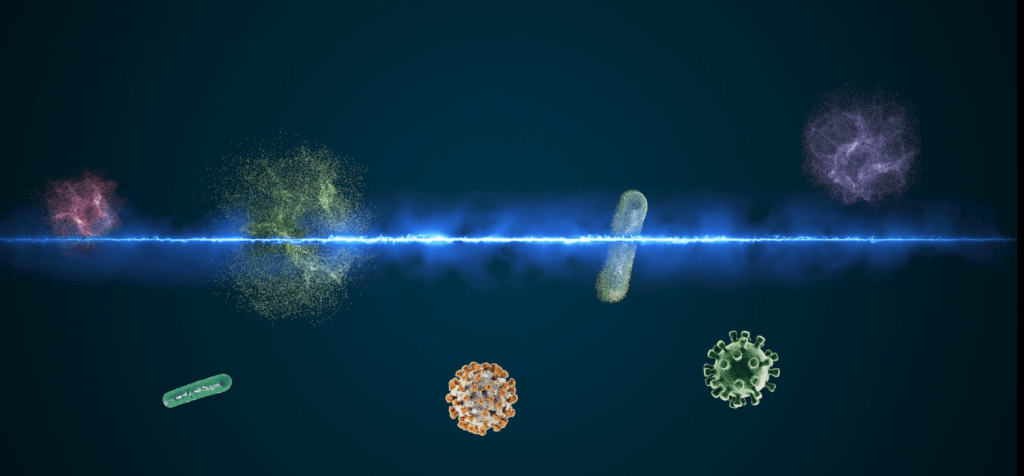
Core advantages:
A key benefit of microwave medical waste sterilization is its strong adaptability across diverse project scenarios, covering both on-site decentralized treatment and standardized centralized disposal. Microwave medical waste disposal equipment features compact, integrated design, which saves floor space and avoids reliance on complicated auxiliary infrastructure. This greatly lowers land occupation, civil construction and initial investment costs for project owners worldwide. Beyond well-known applications in hospital onsite treatment, remote-area medical facilities and public health emergency scenarios, microwave medical waste treatment is also highly feasible for medium and small-scale centralized medical waste disposal centers. A single fixed microwave production line can stably support a daily processing capacity of up to 20 tons, fully meeting continuous, standardized operation demands for regional small and medium-sized waste treatment stations.
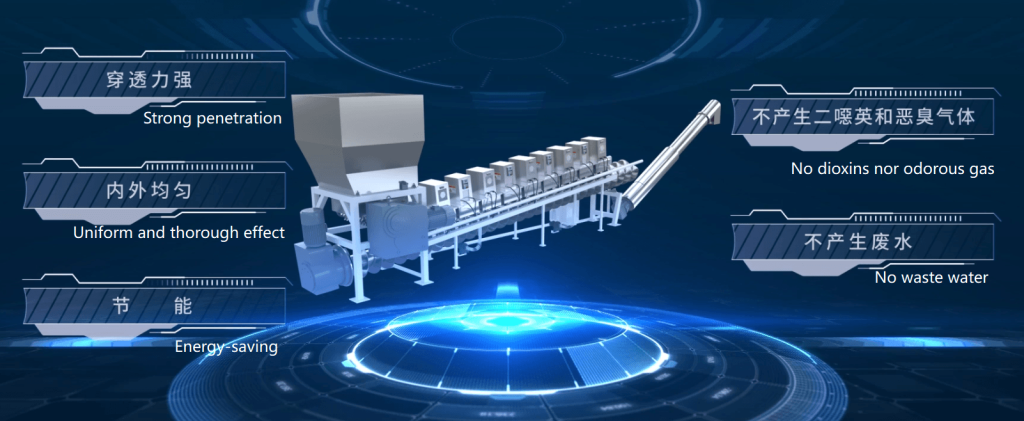
Operationally, medical waste microwave sterilization relies entirely on physical disinfection, delivering stable and consistent treatment results with straightforward, safe operating procedures. The system requires minimal staffing and routine maintenance, helping clients cut long-term operational costs compared with more complex disposal systems. The solution supports highly flexible configuration: it can be built as fixed assembly lines for steady centralized processing, or skid-mounted mobile units for flexible emergency deployment. This unique flexibility allows microwave disposal systems to serve scenarios of all sizes, from individual hospital departments and grassroots clinics to professional regional centralized disposal centers. It effectively fills the market gap between small-scale on-site treatment and large-volume incineration-based centralized disposal.
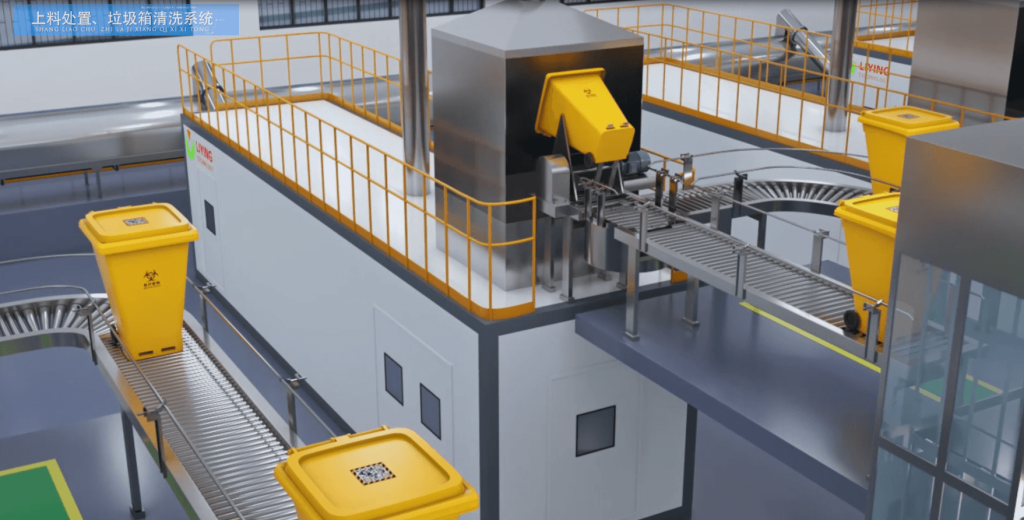
Application limitations:
While microwave medical waste disposal covers extensive application scenarios, it has reasonable operational boundaries. It works best for conventional medical waste and medium-small centralized projects with daily throughput within 20 tons. For ultra-large-scale disposal bases or specific high-risk waste types that demand extreme volume reduction, microwave systems can be combined with other professional medical waste treatment technologies to form a multi-process collaborative solution, ensuring full-coverage and comprehensive waste processing.
Besides incineration and microwave sterilization, high-temperature steaming and chemical disinfection are also widely adopted auxiliary methods in the medical waste treatment industry. Each plays a practical role in completing diversified waste management workflows.
High-temperature steaming achieves waste harmlessness through high-pressure steam disinfection, with simple operation suitable for primary treatment in small medical institutions. Chemical disinfection relies on professional disinfectants to eliminate pathogens. It is cost-effective and easy to implement, commonly used for pre-treatment and auxiliary disinfection procedures.
Like other disposal technologies, these two methods have their own applicable conditions and scenario limitations. In actual projects, they frequently serve as supplementary links to optimize the overall medical waste management system.
Across global medical waste management projects today, multi-technology collaborative disposal has become a highly practical and efficient operational strategy. Rather than relying on one single technology, project operators combine different methods to leverage their respective strengths, offset technical limitations, and build a more reliable full-link waste treatment system.
For instance, many regional waste management platforms adopt a mature cooperation model: microwave on-site pretreatment + centralized incineration disposal. Microwave units are deployed inside scattered medical facilities to disinfect and reduce waste volume on site, which greatly cuts cross-region transportation risks and logistics costs. Meanwhile, a small portion of special waste unsuitable for microwave treatment is centrally collected and sent to professional plants for incineration. This complementary combination balances operational flexibility, treatment comprehensiveness and economic benefits perfectly.
Project planners in different regions select single or combined technical solutions based on local waste output volume, site conditions, operational scale and practical management habits, to build the most suitable disposal system for long-term operation. Feel free to reach out to us anytime via quick English consultation if you need technical matching, solution evaluation or project budget reference.
The selection of medical waste disposal solutions should always align with real project conditions and operational goals. Every mature technology delivers unique irreplaceable value while having its own applicable scope. The core of scientific waste management is to adopt targeted technologies or reasonable combinations, to achieve standardized, stable and efficient harmless disposal.
We support instant and fluent English communication for global clients. Whether you need solutions for hospital onsite disposal, emergency mobile treatment, orcustomized medium and small-scale centralized microwave medical waste disposal solutions, our team can provide targeted equipment selection and system configuration suggestions based on your actual project demands. Welcome to contact us for professional technical support and project consultation.
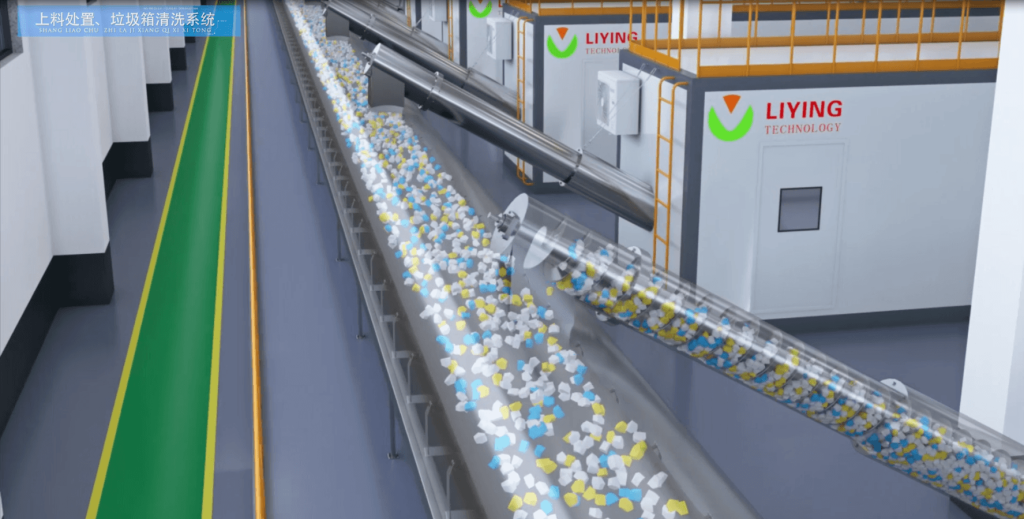
The technical insights shared in this article are derived from Li Ying’s decades of industry practice and frontline project experience. As one of the earliest practitioners to introduce and localize microwave medical waste disposal technology in China, our team has participated in formulating relevant industry standards and technical specifications for the domestic medical waste management sector. Through continuous technological iteration and equipment upgrading, we have consistently optimized our treatment systems and customized project solutions to adapt to diverse global operational demands. Up to now, we have served more than 300 medical waste disposal centers and large-scale healthcare institutions worldwide. Beyond equipment supply, we independently invested in and operated over 20 centralized medical waste treatment facilities, covering public health services for a population of 150 million. We remain committed to delivering reliable, mature, and cost-effective microwave disposal solutions to drive sustainable development of global medical waste management.
We are SANITEC qualified …
What is the Polluter Pays…

Forests and wetlands are …
PDF Request